The hot dog is the Rodney Dangerfield of fast food. It gets no respect.
Think about it. You heat a sausage, warm a bun, add your toppings and you’re done. No complicated recipe, no fancy presentation and no chef hovering over the plate explaining the philosophy behind the mustard. It’s a hot dog. Sometimes, simple is exactly what you want.
That’s probably why hot dogs turn up on so many menus, including kids’ menus. They’re familiar, easy for restaurants to prepare and quick to serve. Even Harvey’s has a grilled hot dog on its menu. Yet for all its popularity, the hot dog rarely gets the attention given to other fast-food favourites. It’s almost as if being dependable has become a disadvantage.
Montreal has its own version of this underappreciated classic: the steamé. And I have a personal connection to this one. When I was young, I devoured Chez Ma Tante steamies. I didn’t need a food critic to explain their appeal or a chef to tell me what made them special. I wanted a steamé, and I was more than happy to make it disappear. Those childhood food memories stick with you, and Chez Ma Tante is part of mine.
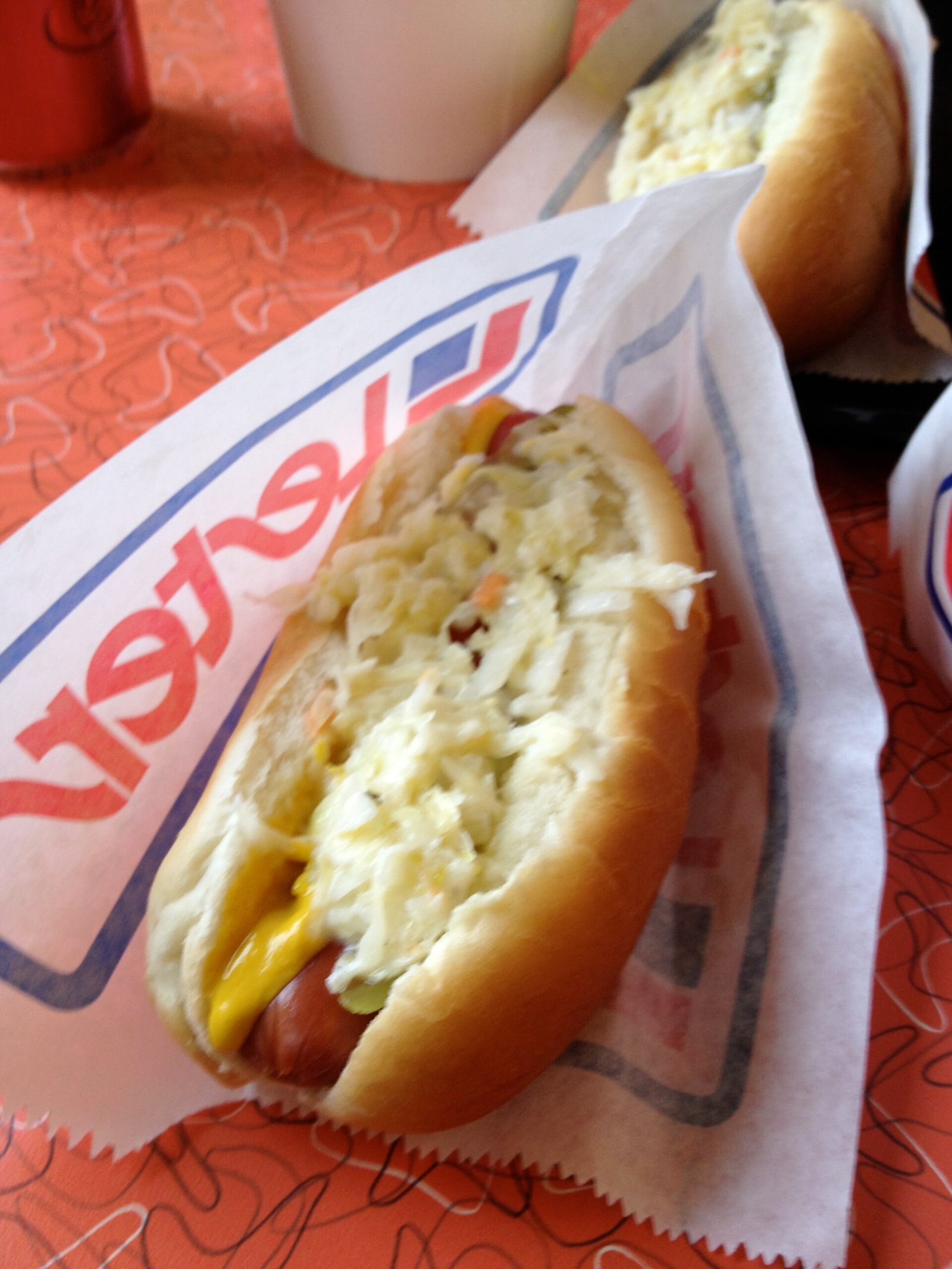
The Montreal steamé has its own familiar formula. The bun is steamed, the frankfurter is hot, and an all-dressed order commonly comes with mustard, relish, chopped onion and cabbage or coleslaw. The precise combination varies by restaurant. Prefer a toasted bun? That’s a toasté. No culinary gymnastics required. The steamé doesn’t need a makeover. It needs a little respect.
Montreal Restaurants Known for Steamés
Montreal’s hot-dog history goes back generations. In 1946, around 190 food carts operated on the city’s streets, selling food that included hot dogs and fries. In the spring of 1947, the city stopped issuing permits to street-food vendors amid concerns that included hygiene, cleanliness and traffic. That was a restriction on street vending, not a ban on hot dogs themselves. The food continued to find customers in permanent restaurants and snack bars.
Some of those restaurants became institutions. Montreal Pool Room dates to 1912, and Chez Ma Tante began in 1929. These are not places that suddenly discovered the hot dog was having a moment. They are part of a much longer story about Montrealers and the food they have enjoyed for generations.
There’s a business behind the bun, too. Lesters, founded in Montreal in 1931, is an established Quebec meat producer and food-service supplier. The company identifies Montreal Pool Room as a customer. That gives us a real local connection between the people producing the food and the places serving it. Even a humble hot dog has a supply chain. Who knew?
Montreal Pool Room
1217 Boulevard Saint-Laurent, Montreal
Montreal Pool Room has been around since 1912. Its name dates back to its early days as a billiard hall, but hot dogs made it a familiar name in Montreal’s food conversation. The business moved across Saint-Laurent Boulevard in 2010, yet it remains associated with the city’s old-school steamé tradition.
There’s a useful detail behind its hot dogs: Montreal Pool Room has publicly identified Lesters as the brand it serves. That connection adds another dimension to the steamé story. What looks like a simple order at the counter is also the result of a local food business supplying another Montreal institution. And after all these years, Montreal Pool Room is still part of the conversation.
Find Montreal Pool Room on Google Maps
Chez Ma Tante
3180 Rue Fleury Est, Montréal-Nord
Chez Ma Tante dates to 1929, when Marguerite and her husband began selling hot dogs from a horse-drawn cart in Montréal-Nord. Their business grew into a mobile trailer before eventually becoming the permanent restaurant people know today. It’s a terrific example of how a modest food business can grow into part of a neighbourhood’s identity.
Chez Ma Tante serves steamed hot dogs with its familiar cabbage topping. But for me, the story goes beyond the details. I grew up devouring its steamies. That memory is why this restaurant belongs in this article, and it’s a reminder that food history isn’t just about dates and old photographs. It’s also about what people remember eating, where they ate it and how those places become part of their lives.
Find Chez Ma Tante on Google Maps
Read MTL Resto Rap’s earlier story: Mike Cohen drops by the iconic Chez Ma Tante in Montreal North.
Greenspot
3041 Rue Notre-Dame Ouest, Montréal
Greenspot has been part of Saint-Henri’s dining scene since 1947. It’s a classic Montreal diner with a menu that includes hot dogs, fries and poutine. The restaurant belongs to that familiar tradition of neighbourhood places where you can sit down for a straightforward meal without feeling as though you’ve accidentally wandered into a culinary performance.
Greenspot helps tell the wider story of the steamé. Montreal’s food culture isn’t built only on dishes that attract visitors from around the world. It’s also built on neighbourhood restaurants serving familiar favourites to people who know what they want. The steamé fits right in. It doesn’t have to be the most elaborate item on the menu to earn its place in Montreal’s food history.
Read MTL Resto Rap’s earlier story: Mike Cohen steps into history at the iconic Restaurant Greenspot
La Belle Province
Multiple locations across Montreal
La Belle Province is another familiar name in Quebec’s casse-croûte culture. Its history traces back to Montreal in 1967, when the first restaurant opened on Sainte-Catherine Street. Hot dogs were among the original menu staples, alongside fries and smoked-meat sandwiches. From those beginnings, the chain grew into a recognizable part of Quebec’s fast-food landscape.
La Belle Province helps make the point that the hot dog isn’t just a nostalgic item found in a handful of old restaurants. It remains part of the everyday fast-food menu across the region. You don’t need to track down a legendary counter to find one. That very availability may help explain why the hot dog gets overlooked: it’s always there, doing its job without asking for applause.
Find La Belle Province on Google Maps
Read MTL Resto Rap’s earlier story: La Belle Province Kirkland and the Taste of Family Comfort.
The Steamé Has Come a Long Way
Montreal doesn’t have a monopoly on hot dogs. New York has its street-cart dogs, Chicago has its famously loaded version, and Detroit has the Coney dog. Every place has its own habits and loyalties. Montreal’s story isn’t about inventing the hot dog. It’s about the way the steamé became part of everyday life, served in neighbourhood snack bars and diners where generations of customers know exactly what they want.
That’s what I think makes the steamé worth talking about. We sometimes act as though food has to be unusual, expensive or complicated to deserve attention. But a hot dog that has stuck around for generations has already proved something: people love it. They have their favourite places, their preferred toppings and memories attached to where they ate them. For me, Chez Ma Tante is part of that picture.
So let’s give the hot dog a break. It doesn’t need to be reinvented, dressed up, or introduced with a speech. Montreal’s steamé has earned its place in the city’s food story, one bun at a time. Rodney Dangerfield might understand the feeling, but I’ll say it anyway: this hot dog deserves some respect.