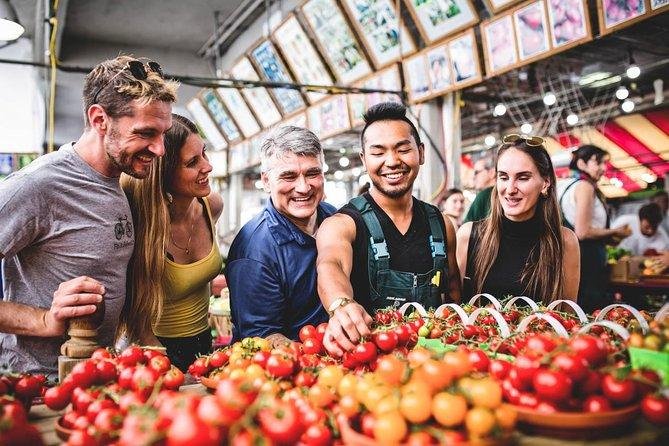
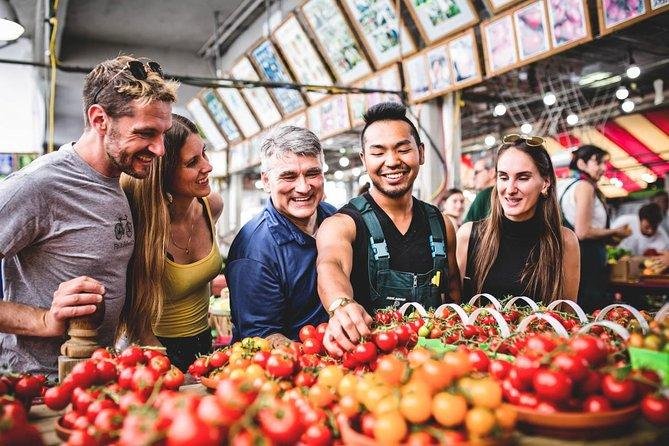
I was out on a food-review assignment when I came across something I wasn’t expecting. There was a large crowd gathered outside St-Viateur Bagel, and for a moment, I wondered what was going on. Then I realized it was a food tour.
What caught my attention wasn’t just the crowd. It was the guide, who was completely engaged with the group, keeping everyone interested while standing outside one of Montreal’s best-known bagel shops. I found the whole scene a little odd, but engaging at the same time. I was there to review food, while these people were discovering a piece of Montreal through someone who clearly knew how to hold their attention.
It got me thinking about food tours and the people who run them. How do they decide where to take their groups? Why does one restaurant or shop become a regular stop while another gets overlooked?
Tourisme Montréal describes food tours as “a perfect way to spend a few hours walking or biking around, tasting some delicious bites and learning about Montréal’s culinary history.” That makes sense. But someone still has to choose the stops, tell the stories and give visitors a reason to remember the experience.
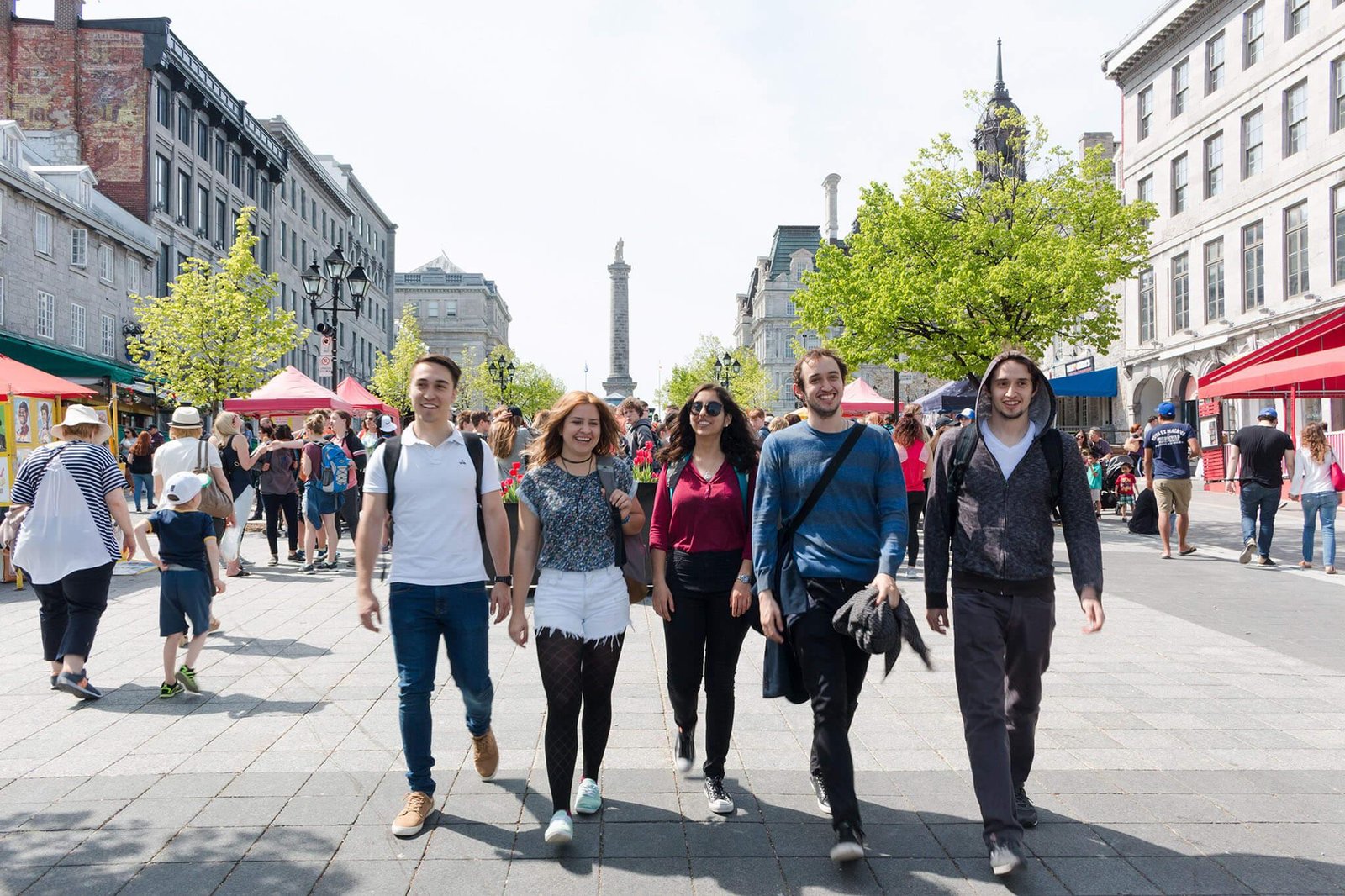
More Than a Walk Between Restaurants
Montreal has plenty of neighbourhoods that lend themselves to food tours. Mile End and the Plateau offer bagels, smoked meat, bakeries and independent food businesses. Old Montreal combines historic streets with restaurants, while Jean-Talon Market and Little Italy provide a closer look at local producers and specialty foods.
Operators approach the city in different ways. Local Montréal Food Tours offers neighbourhood walks, Spade & Palacio explores Jean-Talon Market and nearby businesses, and ‘Round Table Tours connects food with Montreal’s cultural history. Other experiences focus on private groups or the city’s craft beer scene.
The common thread is the guide. A bagel shop is one thing when you walk in to buy breakfast. It’s another when someone explains its place in Montreal’s food culture and gets a group of visitors interested in the story behind it.
Who Gets a Place on the Tour?
Restaurants can benefit from these tours by reaching people who might not otherwise visit. Some operators say they pay their tasting partners for the food served during the experience. That’s a commercial arrangement in itself, not evidence of anything improper.
Still, I wondered how the stops are chosen. Is it the quality of the food, the history behind the business, its location, a longstanding relationship with the owner, or a combination of factors?
I haven’t found evidence that the operators discussed here sell places on their tours or accept kickbacks, and I’m not going to suggest otherwise without proof. To get a proper answer, the guides and participating businesses would need to explain how those decisions are made.
It’s a worthwhile question because a place on a tour can bring a restaurant more than a passing crowd. It can introduce the business to new customers and make it part of a visitor’s picture of Montreal.

The Scene That Stayed With Me
That crowd outside St-Viateur Bagel stayed with me because it was such an ordinary Montreal scene, yet the guide had turned it into something people had gathered to experience.
I was there to review a bagel shop. They were there to discover it through someone else’s eyes. That difference got me thinking about the people who lead these tours, the places they choose and the stories they tell along the way.
Montreal has no shortage of places worth discovering. I’m curious about how those guides decide which ones deserve a stop, and what makes a visitor walk away remembering more than what they ate.