
Tony Medeiros is a Montreal-based blogger with over 20 years of experience covering pop culture and the culinary scene. Known for his engaging reviews and unique insights, he has built a trusted voice for readers seeking informed and entertaining perspectives on food and entertainment. @sandboxworld @tonymedeiros @goodinothers
For anyone who grew up in Montreal, food trucks still feel like a relatively new addition to the city, even though they’ve now been back on our streets for more than a decade. What many people don’t realize is that Montreal banned food trucks for an astonishing 66 years. The prohibition began in 1947, driven by concerns over hygiene, litter, and pressure from established restaurants that didn’t want mobile competition. It wasn’t until June 2013 that the city finally lifted the ban and welcomed food trucks back.
Since then, Montrealers have embraced street food with enthusiasm. What started as a small experiment has grown into a vibrant scene filled with creative chefs, unique cuisines, and some seriously addictive comfort food. During the warmer months, food trucks become part of the city’s culture, popping up at festivals, parks, waterfront locations, and special events all across Montreal.
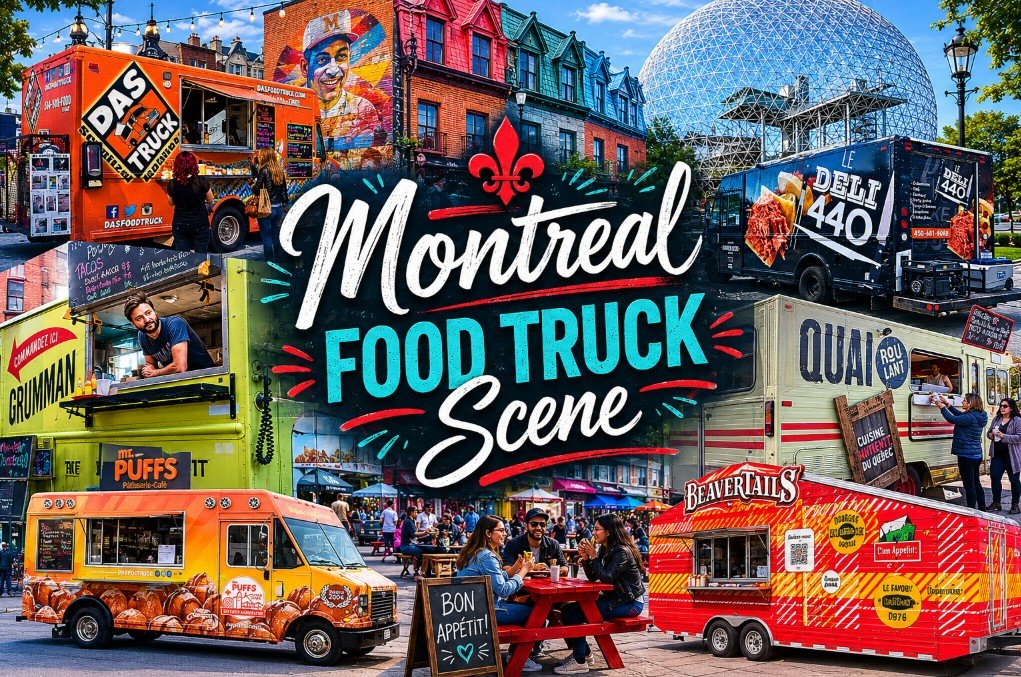
Some of the most popular food trucks to hunt down include Le Gras Dur, famous for over-the-top poutines, gourmet grilled cheese sandwiches, and hearty comfort food. Mi Corazon has built a loyal following with its flavorful tacos and burritos. Le Cheese Truck became legendary for giant grilled cheese creations that stretch the definition of comfort food. Das Food Truck brought authentic German schnitzel sandwiches and spaetzle to local streets, while Le Smoking BBQ became known for smoky pulled pork and slow-cooked barbecue.
Seafood lovers flock to Lucille’s Oyster Dive truck for lobster rolls and fish and chips. Winneburger serves some of the city’s most celebrated smash burgers, while Pizzéria NO.900 turns out authentic Neapolitan pizzas from a wood-fired oven built right into the truck. Camion Au Pied de Cochon brought the indulgent spirit of the famous restaurant to the road with creations like foie gras poutine, and Fous Truck became a favorite stop for pastries, croissants, and gourmet coffee.
One of the most interesting things about Montreal’s food truck movement is how many operators have used their trucks as a launching pad for permanent restaurants. The streets became a testing ground where chefs could build a following before leaping into brick-and-mortar locations.
Kwizinn started as a popular Haitian and Caribbean fusion food truck before opening a permanent location in Old Montreal. Le Cheese transformed its grilled cheese empire into a permanent restaurant in NDG. Le Smoking BBQ successfully moved from wheels to a storefront on Sainte-Catherine Street West. Landry & Filles made the jump from its iconic blue truck to a restaurant space on Papineau Avenue, while Grumman ’78 helped kickstart Montreal’s street food revival before expanding into its well-known Taco Garage operation.
Today, food trucks remain especially popular during the summer months. Unlike many North American cities, where trucks can park almost anywhere, Montreal still operates under fairly strict rules. Food trucks can work from city-designated locations, private property, and major festivals, but operators must follow detailed regulations and permitting requirements.
For many food truck operators, festivals and major events are where the real business happens.
Large gatherings often have special permits that allow food trucks to operate outside the usual street restrictions. Some of the most popular events include:
These events attract thousands of visitors and provide food truck operators with some of their busiest days of the year.
The City of Montreal designates specific public locations where permitted trucks can operate. These sites are carefully regulated, with limits on the number of trucks allowed and minimum distance requirements from existing restaurants. Many operators find that festivals and special events are the most profitable option, with major gatherings like Les Premiers Vendredis at Olympic Park, Piknic Électronik, and events in the Quartier des Spectacles attracting thousands of hungry visitors.
Starting a food truck in Montreal involves more than simply buying a truck and hitting the road. Operators need access to a commercial kitchen, must pass health inspections through Quebec’s food safety authorities, and must successfully navigate the city’s permit process. It’s a challenging business, but as several Montreal success stories have proven, a food truck can be the first step toward building a thriving restaurant.
Private property is another option, provided operators have written permission from the landowner and continue to meet all municipal and provincial regulations.
Food trucks have become one of Montreal’s most colorful culinary attractions. They offer aspiring restaurateurs a chance to test their ideas, and they give food lovers the opportunity to discover everything from tacos and barbecue to gourmet pastries and wood-fired pizza, often just steps away from where the action is happening. This summer promises to be a big event-driven summer, and food trucks are there to starve off your hunger on wheels. Which new Food truck will graduate to restaurant status will be determined by your hunger this year.